

C-suite barometer: 2026 mid-year pulse

Diversification: the critical condition for growth

At the start of the year our C-suite barometer uncovered a business world embracing change, investing in technology and people, and reimagining strategies to stay ahead of disruption and competition. Fresh insights confirm that this adaptability does not only remain relevant as uncertainty increases, it’s critical.

The latest perspectives point to diversification as the defining condition for sustainable growth. Across regions and sectors, leaders are responding to volatility by diversifying, rather than doubling down on singular bets.

Despite the challenging backdrop, executive optimism about growth remains strikingly steady. What is driving this positivity, however, is not the external environment but the latest switch and shift in operations, trade and growth strategies. Leaders are diversifying capital, areas they invest, how and where they operate, and how they manage risk. As confidence in navigating the increasing trends impacting businesses weakens and investment decisions become more cautious, strategies built on concentration are rapidly losing favour.

Our mid-year C-suite survey takes the pulse of global leaders, discovering the shifting trends and priorities shaping business growth strategies to help prepare for what’s next. Based on the views of more than 1,000 C‑suite executives across 18 countries, the research shows that diversification – of resources, markets, technology capability and funding – has moved on from an operational, defensive risk-management approach to a board‑level growth and resilience strategy.

Focus on growth

The global paradox has now expanded. At 92%, expectations for growth are unchanged since the start of 2026, signalling sustained ambition among C suite leaders, despite a more volatile backdrop. Confidence, however, has deteriorated fast. Our Confidence Index has fallen 8 points to 35%, its lowest level since the height of the pandemic in 2021. This collapse reflects a sharp rise in the big trends impacting businesses – the salience of energy prices, supply certainty and geopolitical instability – alongside a growing recognition that these forces are increasingly difficult to control. Crucially, the loss of confidence is broad based, spilling across every external and operational trend, with increased competition the sole exception.
92%

remain positive about growth

35%

confident managing key trends (down eight points)

62%

boosting investment (down seven points)

“Diversification is moving from the margins of strategy to its centre. The challenge and considerations for C-suite executives is not whether to diversify, but how to do it with intent across markets, supply chains, capital and technology – without creating unmanageable complexity. Of course, this will depend on the size of organisation, the sector and its target audience. The leaders who succeed will be those who balance ambition with optionality, and speed with control, particularly as AI becomes both a source of productivity and thee competitive fault line against which returns, productivity, efficiency and growth is measured. Against the current backdrop, diversification is now critical for growth.”

Mark Kennedy Partner and Chief Clients & Markets Officer, Forvis Mazars Group

The shifting trends having the biggest impact on businesses

Growth optimism remains resilient. At 92%, expectations for growth are unchanged since the start of 2026, signalling sustained ambition among C‑suite leaders, despite a more volatile backdrop. Confidence, however, is deteriorating fast. Our Confidence Index has fallen 8 points to 35%, its lowest level since the height of the pandemic in 2021. This collapse reflects a sharp rise in the salience of energy prices, supply certainty and geopolitics, alongside a growing recognition that these forces are increasingly difficult to control. Crucially, the loss of confidence is broad‑based, spilling across every strategic trend, with increased competition the sole exception.


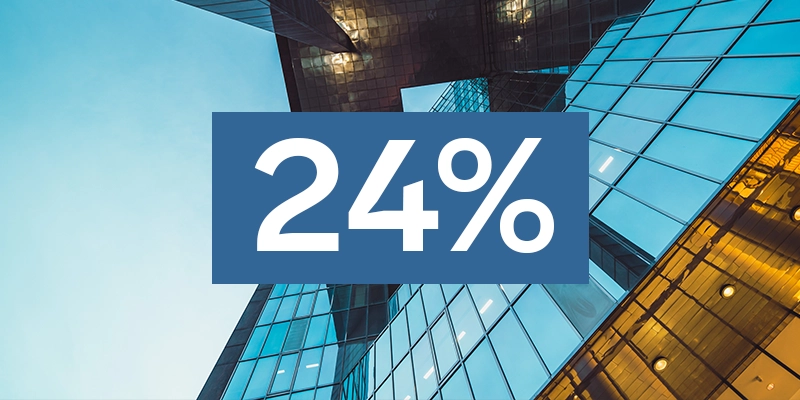
Economic factors, including inflation, has moved back into the top spot.

24-Adaptation.png


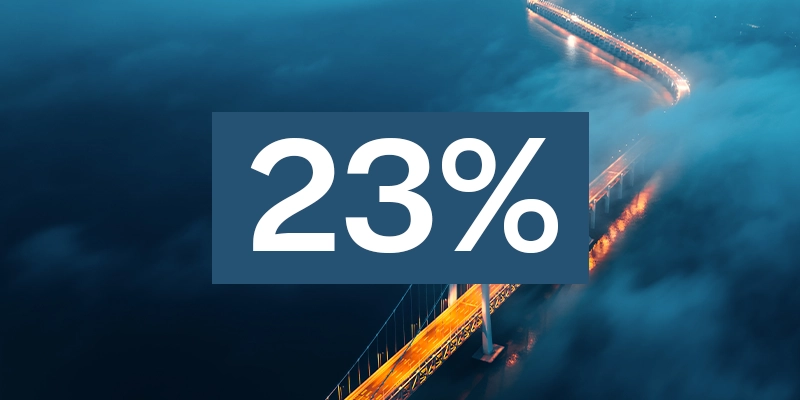
Recognition for the impact of AI remains high but is now overshadowed by global instability.

23-International.png


 Energy prices and/or shortages has jumped into the top three after a 12-month reprieve.

Capital and investment are on the move to avoid economic aftershocks

The number of businesses boosting investment across all areas is still high, but with a slight dip (down 7 points from 69% to 62%) suggesting a more cautious approach. On closer analysis, investment is being redirected from long‑term foundations such as talent, sustainability and brand, towards more immediate stabilisers and essentials like supply chain management, to manage disruption in the current climate. The same pragmatism is evident in growth strategies. Strategic alliances and joint ventures have just edged out private equity as the preferred route to scale and funding, but the clear appetite for both reflects the need for flexibility, shared risk and access to capabilities compared with the traditional balance‑sheet expansion approach alone. In response to geopolitical and economic shocks, leaders across every region now cite diversifying resources as their primary response, chosen by more than half of executives over reshoring or near‑shoring, while cost pressures are increasingly passed through to customers, testing pricing power and loyalty.

Remapping operations, trade and expansion for favourable market conditions

C-suite leaders are remapping operations and where they want to increase trading relationships for their organisation. Increased activity in this area reinforces the expansion plans identified at the beginning of 2026, but with greater emphasis on diversifying towards more stable destinations. No doubt an act of self-preservation, businesses are focusing expansion closer to home – both domestically and in neighbouring markets. At the same time, there is a marked increase in planned trade with Greater China, Latin America and Australia/Asia‑Pacific as priority destinations. Central and Eastern Europe also stands out as a rare market attracting interest from all neighbouring and distant regions.

AI enters its returns era revealing a variance from initial intent now to impact

Businesses are now confirming concrete returns on AI investments and the specific extent of those returns. Overall, this is positive as it enables leaders against the current backdrop to sharpen how they measure transformation success and the priorities they potentially need to refocus against the current backdrop. They’re now placing greater emphasis on the external gains of productivity and customer satisfaction, while paying less attention than originally stated in the last six months on internal adoption initiatives. C-suite leaders still want better decisions and a competitive edge, but they’re no longer relying on a single route to get there. Instead, they’re spreading risk and opportunity across multiple markets, models and approaches.

Contacts